The festive season is exciting for us, but for sensitive dogs it can be a stressful time. New smells, loud gatherings, bright decorations and unpredictable changes can make even the calmest dog feel unsettled. If your dog prefers space, gets nervous easily, or reacts to noise, Christmas can be challenging.
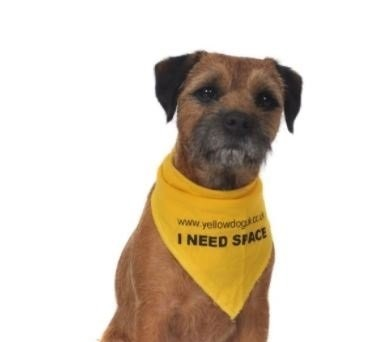
However, with a few mindful adjustments, you can help them feel safe and secure. These tips draw from the Yellow Dog concept — a reminder that some dogs simply need a little extra room to stay comfortable.
Give Them a Quiet Place to Relax
One of the most helpful things you can do is create a peaceful retreat. Choose a spot where your dog can rest away from visitors and noise. Add familiar items like their bed, favourite toys, and soft lighting. This area becomes their “safe zone” whenever the house becomes too busy.
This approach connects with Yellow Dog awareness: not all dogs want instant interaction, and respecting their space helps them feel in control.
Try to Maintain Their Normal Routine
Dogs feel safest when life remains predictable. During Christmas, schedules often change, but try to keep walks, meals and rest times close to normal. A stable routine reduces anxiety and helps sensitive dogs remain settled even on the most festive days.
Introduce Holiday Decorations Slowly
Many dogs react strongly to sudden changes in their environment. Sparkling lights, new scents, or moving ornaments may feel overwhelming. Decorate gradually so your dog has time to adjust. If they seem unsure, allow them to observe from a distance and explore when they’re ready.
Some dogs—which would be considered “yellow dogs”—need more time to process visual and sensory changes.
Let Visitors Know Your Dog Needs Space
Not every dog likes being approached by guests. A simple explanation such as:
-
“He’s a bit nervous, please let him come to you.”
-
“She needs some space, thank you.”
…can prevent your dog from feeling pressured. This small step mirrors the Yellow Dog message: friendly dogs can still prefer distance, and that preference should be respected.
Keep Festive Foods Out of Reach
Christmas food is delicious for us but dangerous for dogs. Chocolates, grapes, mince pies, rich leftovers and turkey bones should all be kept well away. Sensitive dogs often react more strongly to unfamiliar foods, so it’s best to stick to their normal diet and safe treats.
Prepare Ahead for Noise and Excitement
If your dog is noise-sensitive, the holidays can be daunting. Fireworks, music and loud conversations may create anxiety. To help:
-
Close curtains before dark
-
Play soft, calming music
-
Offer a quiet room or crate retreat
-
Stay near them if they seek reassurance
These small changes can make the holiday atmosphere much easier for your dog to handle.
Use Enrichment to Reduce Stress
Gentle enrichment keeps their mind busy and provides comfort. Snuffle mats, puzzle feeders, frozen Kongs or scent games can help your dog stay relaxed when the home is filled with activity. Mental stimulation often reduces stress more effectively than physical exercise alone.
Watch for Early Stress Signs
Even confident dogs can feel overwhelmed. Look for signals such as yawning, pacing, lip licking, hiding, shaking off or increased barking. If you notice these signs, guide your dog to their quiet space and give them time to decompress.
Space Is One of the Best Gifts You Can Offer
Sensitive dogs don’t need a perfect Christmas — they need understanding. Giving them space, keeping routines steady and respecting their boundaries can transform the festive season into a peaceful experience.
The heart of the Yellow Dog idea is simple: some dogs feel happiest with a little distance, and honouring that need leads to a calmer, more joyful holiday for everyone.