
There was a story recently about someone who was turnedaway from a coffee shop, not because of his dress code, butbecause his dog wasn’t wearing a bandana with the restaurant’s logo on it! Is that where we are now? Cafés havewater bowls by the door, hotels throw in a dog bed option and one airline I flew last year handed out little dog-shaped treatsmid-flight.
Ten years ago, walking into a restaurant with a dog on a lead might have achieved a dirty look from the waiter, now itmight get you a loyalty card! Dog charities like Yellow Dog UK are also now receiving so much more recognition wtihthis increased love for dogs.
Yellow Dog UK is a charity dedicated to raising awareness of so-called “Yellow Dogs”: dogs that are nervous, reactive, recovering from surgery, mid-training, or simplyuncomfortable with close contact.
The shift tracks with something bigger: more people may be choosing dogs over children or alongside them and businessesfigured out fast that a dog-friendly sign brings in the owner’swallet too.
But there’s a question nobody seems to be asking: built for the dogs or just for the people holding the lead ?
Not Every Dog Wants the Same Thing
Dog-friendly spaces tend to assume dogs are one uniformgroup — that all of them enjoy crowds, noise, new smells, and constant contact with strangers and other dogs. Thatassumption falls apart quickly in real life. Yellow Dog UK iskeen to explain the many different characters dogs can haveand how to be considérate of this.
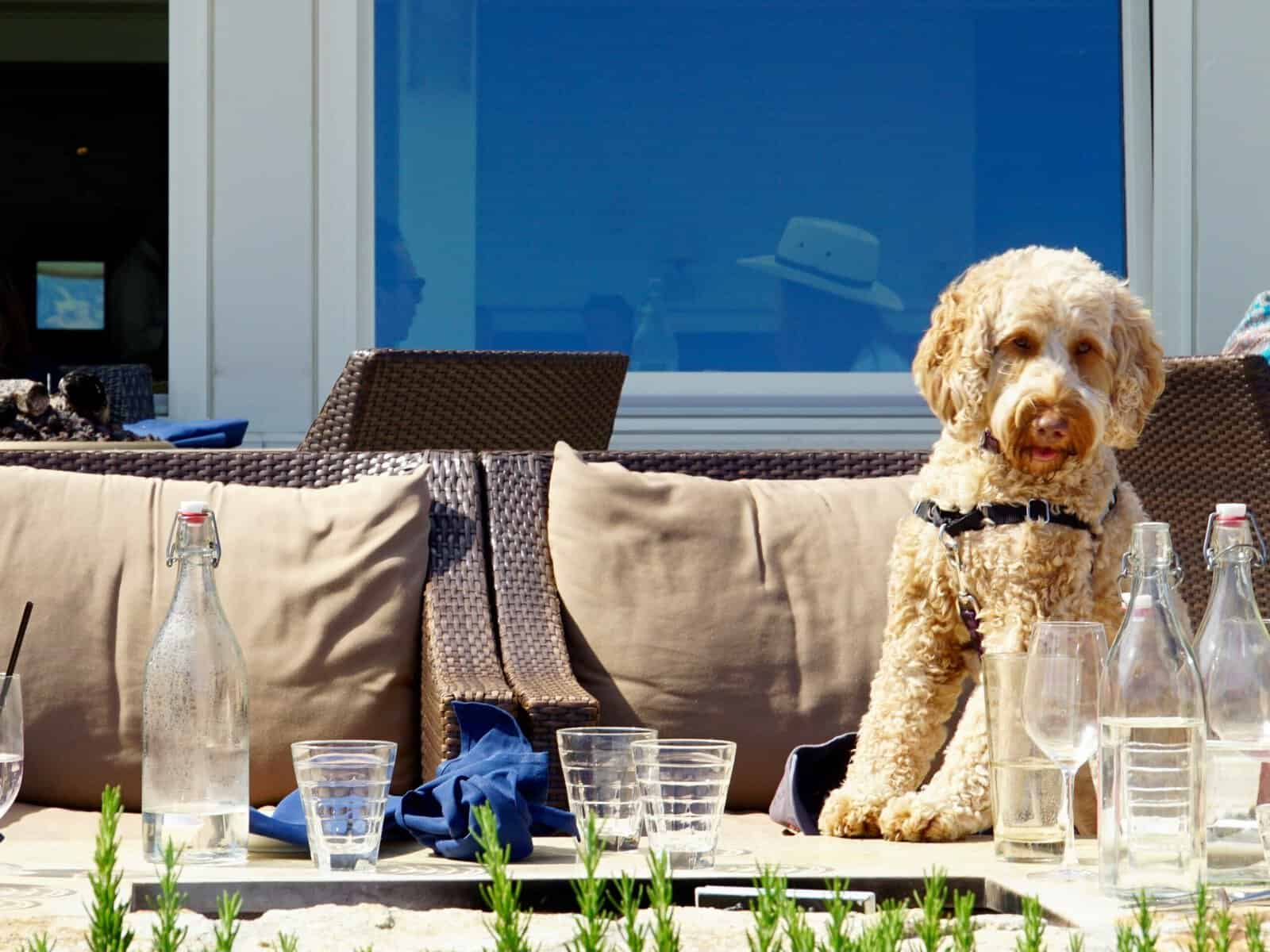
Take a patio scenario. A confident, high-energy dog willprobably have the time of its life there, weaving betweentables, soaking up attention from strangers. Now picture anold dog with arthritis in that exact same spot or a rescue whoflinches every time a hand comes down too fast. Same patio, completely different dog, completely different experience.
What Most Dog-Friendly Spaces Get Wrong
Most venues are designed to let dogs in, not to help anuncomfortable dog feel okay once they’re there. Common gaps include:
The intention behind dog-friendly spaces is good. The execution is almost always built from a human point of view— “dogs are allowed here” instead of “dogs can actually feelokay here.”
A Simple Signal That Already Works
The good news is that a large part of this problem already has a solution — and it doesn’t require redesigning a single café orpark.
Yellow Dog UK is a charity dedicated to raising awareness for these dogs that just need that extra thought from peoplearound them.
The idea behind it is simple. A yellow bandana, vest, lead, orlead cover tells everyone nearby, without a single word, thatthis dog needs room. It doesn’t mean the dog is dangerous — if anything, it usually means the opposite: an owner beingupfront about what their dog needs instead of waiting for something to go wrong.
Once people know what that yellow means, the wholedynamic of a dog-friendly space shifts. You know which dogsto leave alone and the dog wearing yellow skips the awkwardconversation about why it’s not in the mood to meet your off-lead golden retriever.
Making Dog-Friendly Spaces Work for Every Dog
A truly dog-friendly space doesn’t just welcome dogs throughthe door — it accounts for differences in age, temperamentand comfort once they’re inside.
Until more venues catch up to that standard, tools like the Yellow Dog UK Yellow Dog UK campaign help close the gap right now. Knowing what a yellow ribbon means, and respecting it when you see one, is a small step that makes anyspace genuinely more dog-friendly — for every dog, not justthe easygoing ones.