
Most artists wait too long. The single’s mastered, the artwork’s done, the release date is maybe two weeks out — and only then do they start thinking about a press release. Backwards, but it happens constantly.
Look, editors and bloggers get hundreds of these emails a day. Most get deleted in about four seconds — sometimes less. Yours doesn’t have to be one of them. But it might be, if you write it like everyone else does.
Skip the bio. Lead with the headline.
A lot of artists open with “Rising indie-pop artist [Name] is excited to announce…” Don’t. Nobody’s excited to read about your excitement. Lead with what actually makes the song interesting. A hook. A weird story behind it. A collaborator people recognize. A sound that’s a real departure from your last release — not a small one, an actual one. One sentence. If a journalist can’t tell what the song’s about by the second sentence, you’ve already lost them — they’re onto the next email in their inbox, not even annoyed, just gone. So your first paragraph? Treat it like it’s the only one anyone will ever read. Because honestly, for most people, it is.
Cover the basics — song title, release date, a quick line on the sound — and then one specific, weird, true detail that separates this single from the thousand others landing in that same inbox this week. Maybe it was recorded in an actual barn. Maybe it samples your grandmother’s voicemail. Whatever it is, that’s the hook. Not “available on all streaming platforms.” Nobody’s hooked by that.
The artist quote is usually where things fall apart. “This song represents a journey of self-discovery and growth” — that’s the kind of line a publicist writes at 11pm trying to sound deep, and it doesn’t sound like a person, it sounds like a press kit. Which, I mean, it is one. But still.
Try this instead: write the quote, then say it out loud. Actually say it. Does it sound like you talking to a friend, half asleep, after a long day? Or does it sound like something off LinkedIn? If it’s the LinkedIn one — and it usually is, first try — scrap it and start over. “I wrote this after a breakup I didn’t see coming, in like twenty minutes, at 2am” tells an editor more than three sentences of vague inspiration-speak ever could.
After the story, drop in the boring stuff — streaming links, release date, who produced it, features. This is the one part that’s allowed to read like a spec sheet. Bullet points are fine here. Keep it short. Move on.
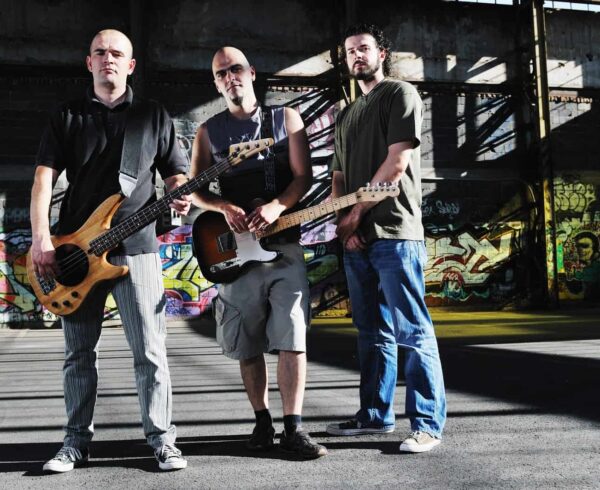
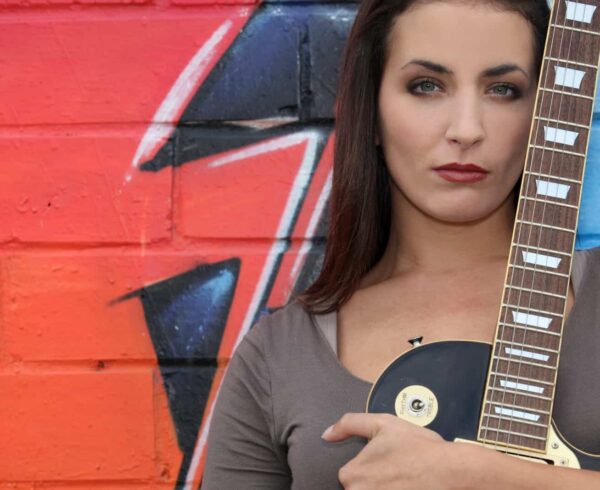
Then there’s the photo problem, which people underestimate constantly. Attach a high-res press shot and the single artwork — please, not a screenshot pulled from your own Instagram story. A blurry, low-res photo tells an editor everything before they’ve even read your subject line — that this wasn’t worth much effort, so why should reading it be worth theirs. No studio shoot needed though. Just something sharp, decently lit. That’s the whole bar.
And don’t send it to two hundred random addresses hoping one sticks. A tailored pitch to ten blogs that actually cover your genre will beat that every single time. Look at what each outlet covered last month. Mention it — briefly — in your email. Takes maybe five extra minutes per pitch. Triples your odds of getting a reply, easily.
None of this gets a song heard on its own, to be clear. A press release isn’t magic. But a sloppy one guarantees a good song goes unnoticed, and that part — the sloppy, fixable part — is worth getting right before you send anything out.